Leaking Roof Inspection Services

Spring is ideal for roof inspections to identify winter damage and prepare for upcoming storms.

Summer inspections help detect issues early before heavy rainfalls and storms occur.

Fall is a good time to check for leaks before winter weather sets in, ensuring roof integrity.
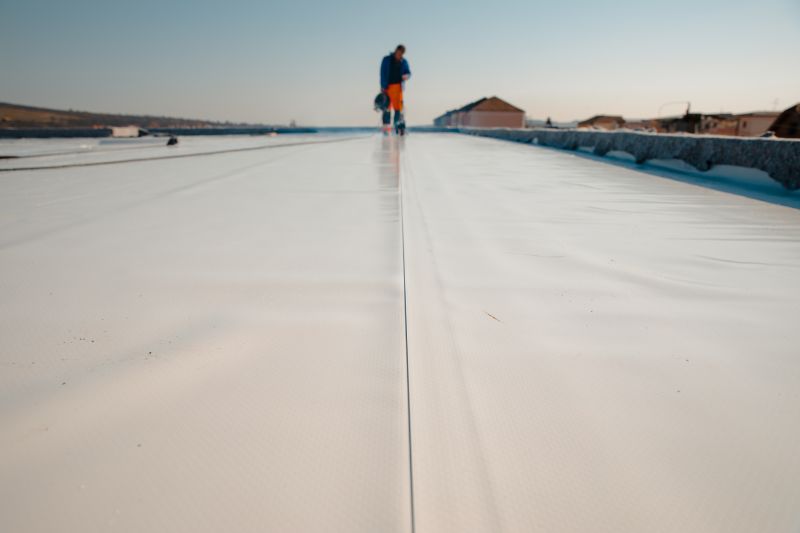
Ways to make Leaking Roof Inspections work in tight or awkward layouts.
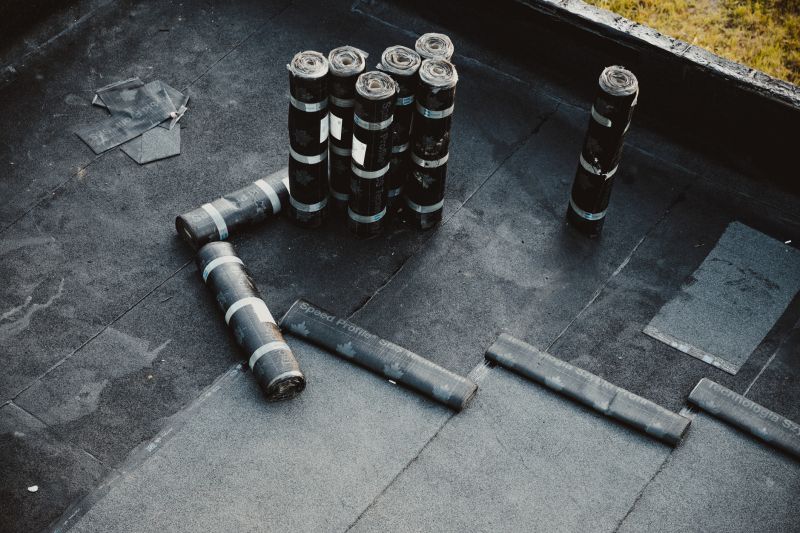
Popular materials for Leaking Roof Inspections and why they hold up over time.
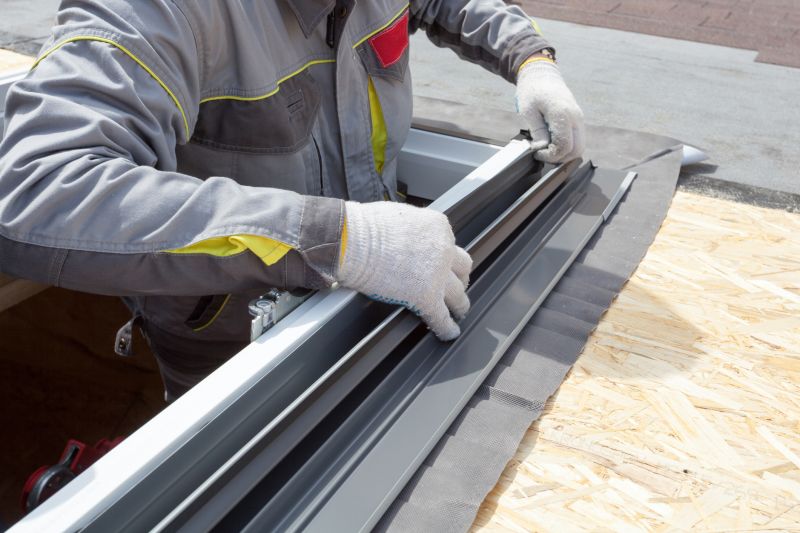
Simple add-ons that improve Leaking Roof Inspections without blowing the budget.
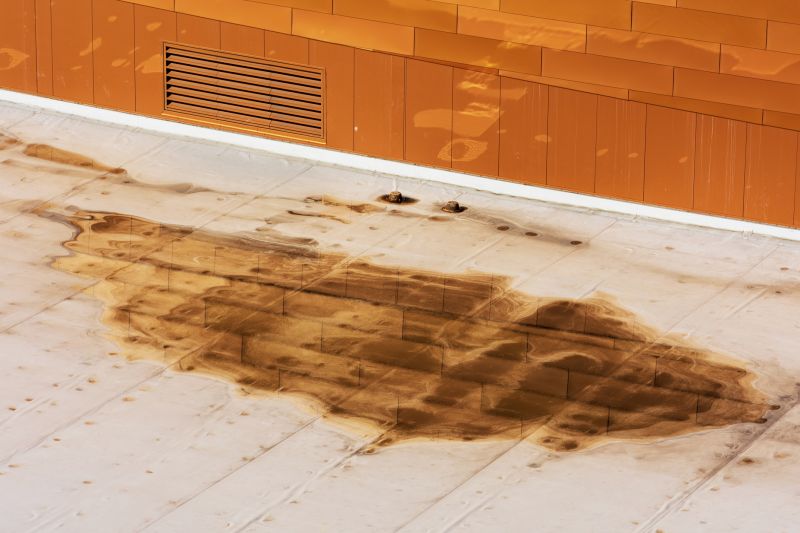
High-end options that actually feel worth it for Leaking Roof Inspections.
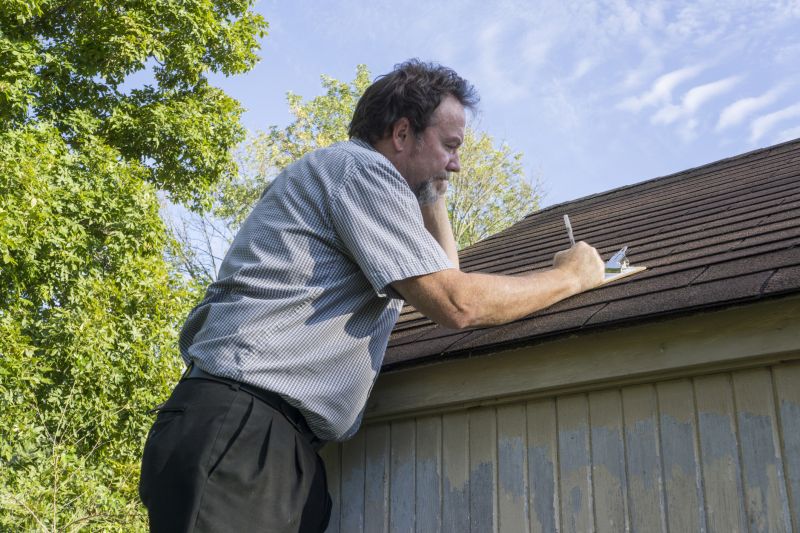
Finishes and colors that play nicely with Leaking Roof Inspections.
Leaking roof inspections are essential to maintain the structural integrity of a building. Regular inspections can identify potential issues early, preventing costly repairs and water damage. The frequency of inspections depends on the age of the roof, weather conditions, and previous damage history. Studies indicate that neglecting roof maintenance can lead to water intrusion, mold growth, and compromised insulation, which can significantly increase repair costs. In fact, approximately 40% of roof leaks are caused by unnoticed damage that could have been detected through routine inspections.
Conducting roof inspections in different seasons helps identify damage caused by weather variations and prepares the roof for extreme conditions.
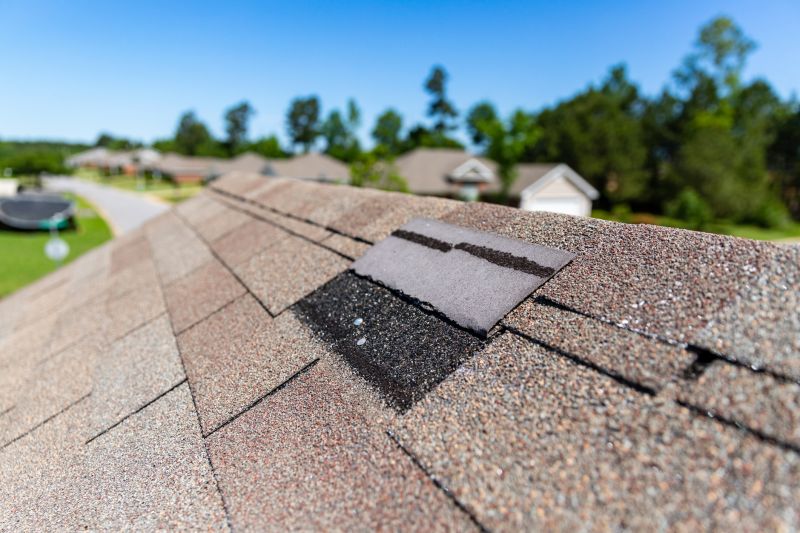
Common indicators include water stains, mold, curling shingles, and granule loss on shingles.
Visual assessments, moisture meters, and infrared imaging are effective methods for detecting leaks.
Regular inspections allow for early repairs, extending the lifespan of roofing materials.
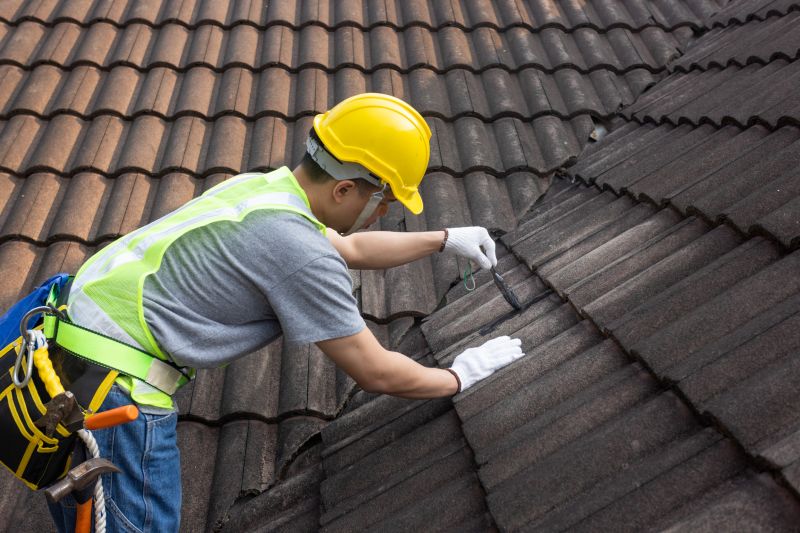
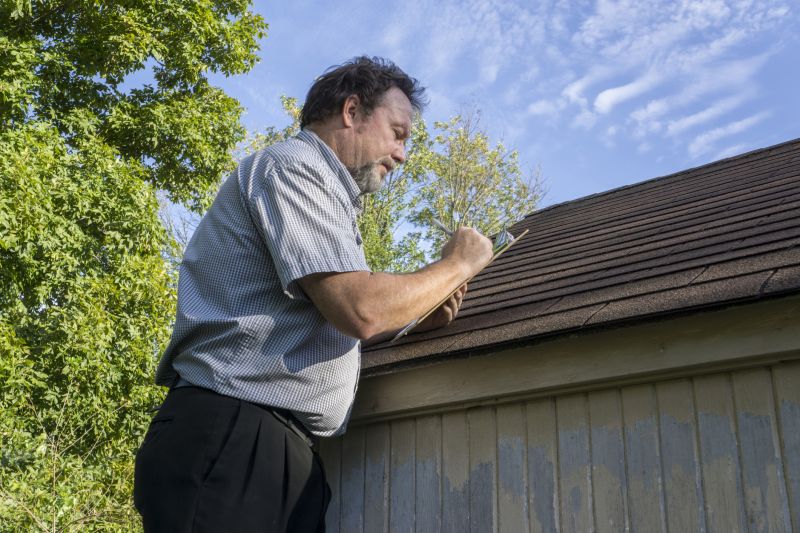
Technicians examine the roof surface for damage and potential leak points.
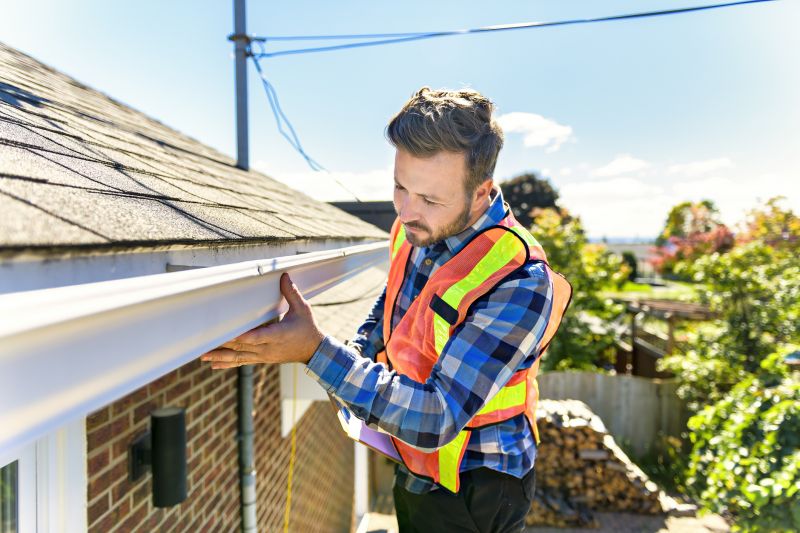
Checking flashing details for corrosion or gaps that could lead to leaks.
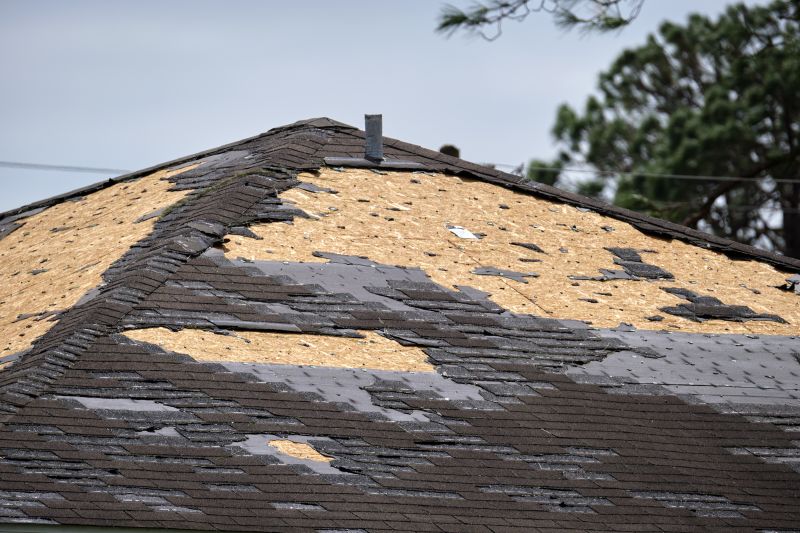
Evaluating shingles for curling, missing pieces, or granule loss.
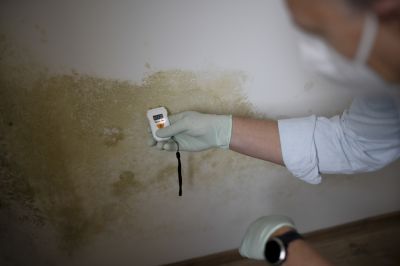
Using moisture meters to detect hidden leaks within the roof structure.
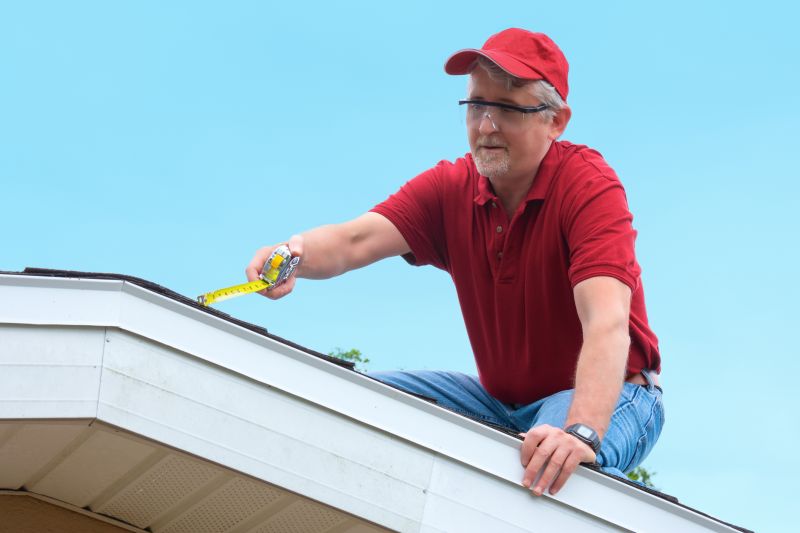
Little measurements that prevent headaches on Leaking Roof Inspections day.
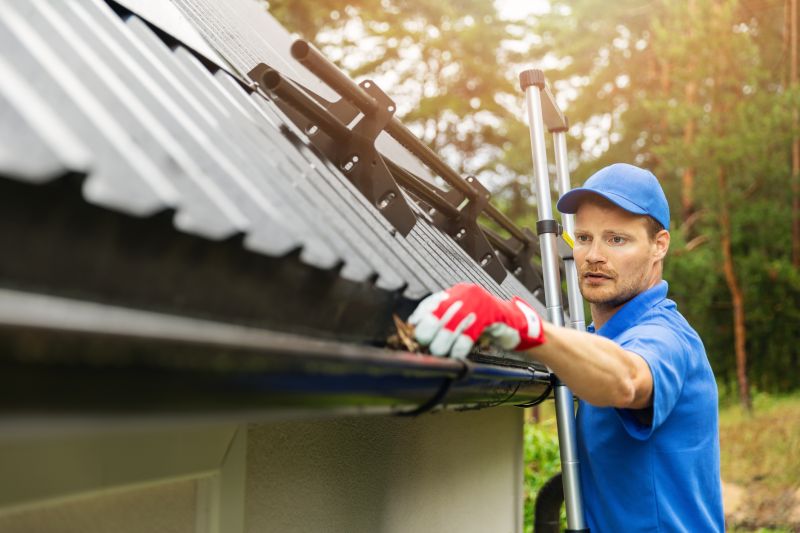
A 60-second routine that keeps Leaking Roof Inspections looking new.
| Season | Best Inspection Timing |
|---|---|
| Spring | Early spring after winter to assess damage from snow and ice. |
| Summer | Mid-summer to identify issues before storm season peaks. |
| Fall | Late fall for pre-winter preparations and leak detection. |
| Winter | Limited; inspections are challenging due to snow and ice. |
| Year-round | Periodic inspections based on weather exposure and roof age. |
Regular roof inspections are a proactive approach to maintaining roofing systems. They help identify early signs of damage, such as cracked or missing shingles, damaged flashing, or water stains on ceilings. Inspections should be scheduled at least twice a year, ideally during spring and fall, and after severe weather events. Proper maintenance can extend the lifespan of a roof significantly, reducing long-term costs and minimizing the risk of unexpected leaks.
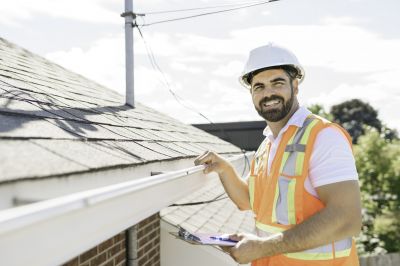
Checking for debris buildup and damaged flashing in valley areas.
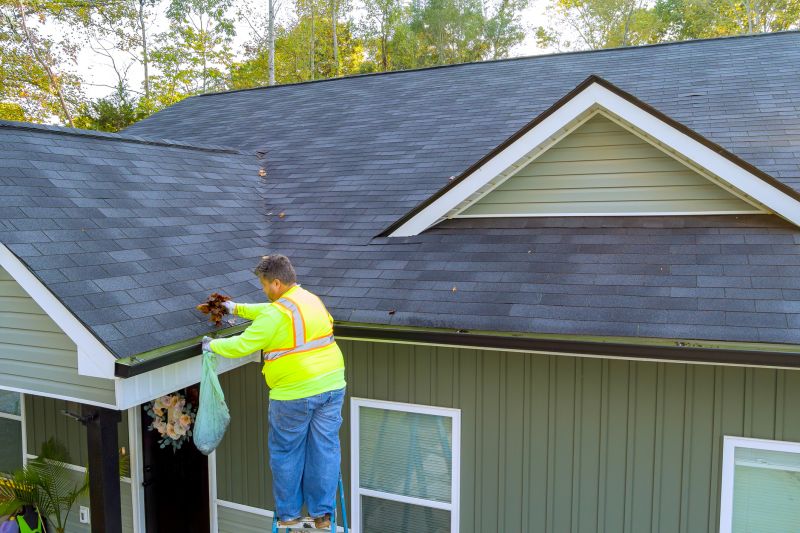
Ensuring gutters are clear to prevent water backup and leaks.
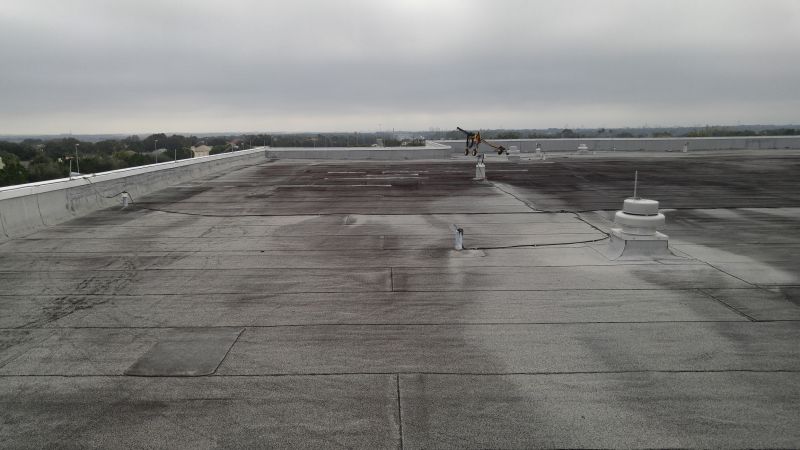
Verifying proper vent operation to prevent moisture buildup.
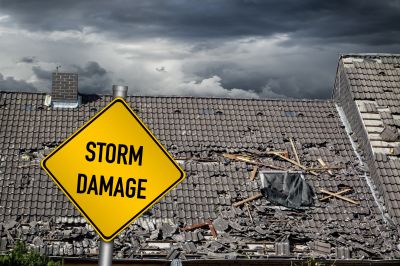
Looking for signs of ice dams that can cause leaks in winter.
A frequent mistake in Leaking Roof Inspections and how to dodge it.
Small tweaks to make Leaking Roof Inspections safer and easier to use.
Lower-waste or water-saving choices for Leaking Roof Inspections.
The short, realistic tool list for quality Leaking Roof Inspections.
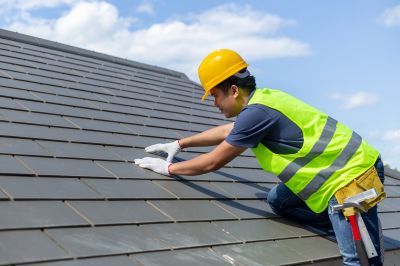
Engaging in routine roof inspections can prevent extensive water damage and structural issues. Inspections should be performed by qualified professionals who can accurately assess the condition of roofing components. Maintenance tasks may include replacing damaged shingles, sealing flashing, and cleaning gutters. Early intervention can save substantial costs and preserve the integrity of the building.
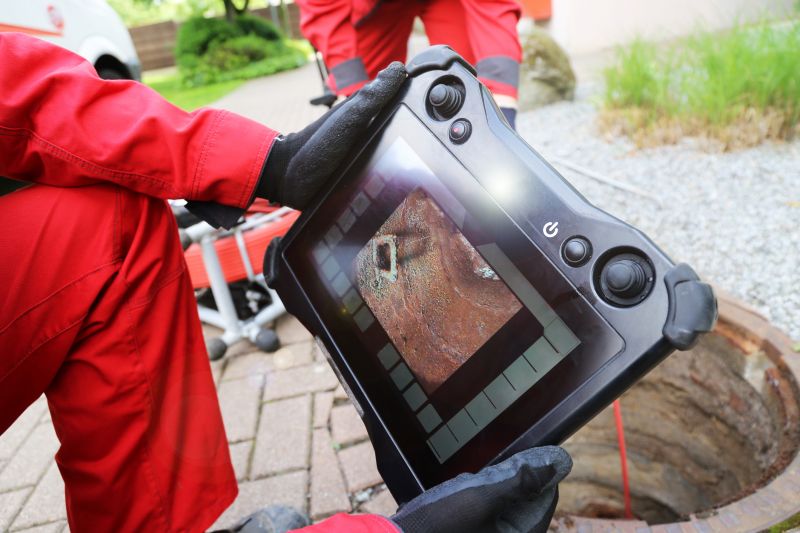
Infrared cameras and moisture meters aid in detecting hidden leaks.

Checking vents, chimneys, and skylights for proper sealing.

Ensuring proper slope and drainage to prevent water pooling.

Older roofs require more frequent inspections to prevent leaks.

Rough timing from prep to clean-up for Leaking Roof Inspections.
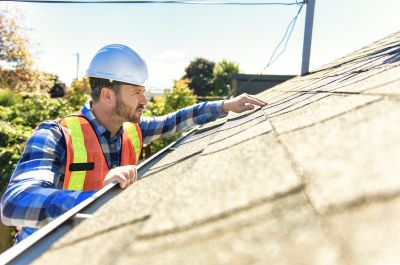
Quick checks and paperwork to keep after Leaking Roof Inspections.

Examples that show the impact a good Leaking Roof Inspections can make.

Ways to make Leaking Roof Inspections work in tight or awkward layouts.
Interested parties are encouraged to contact for more information on scheduling roof inspections. Regular assessments contribute to the longevity of roofing systems and help avoid costly repairs. Proper timing and thorough inspections are key to maintaining a leak-free roof and ensuring the safety of the building structure.